Tamron 70-200mm F/2.8 VC USD lens review.
Many thanks for Nordic Digital for providing the lens for testing.
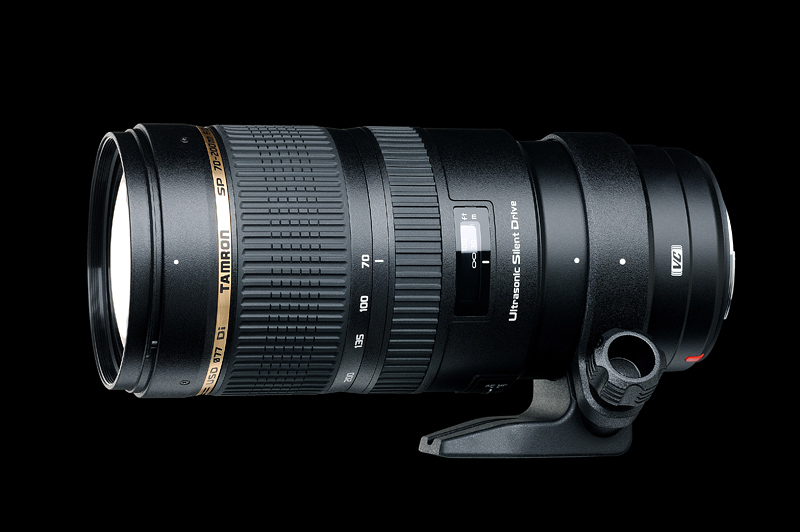
A couple of weeks and a couple of thousand shots later, it is time to put together a brief about using this new hot lens. It is new because it was released a couple of months ago, and it is hot as it is directly competing with some of the best lens available at the market, the Canon's 70-200mm F/2.8 IS USM II, and Nikon's Nikkor 70-200mm F/2.8 VR II.
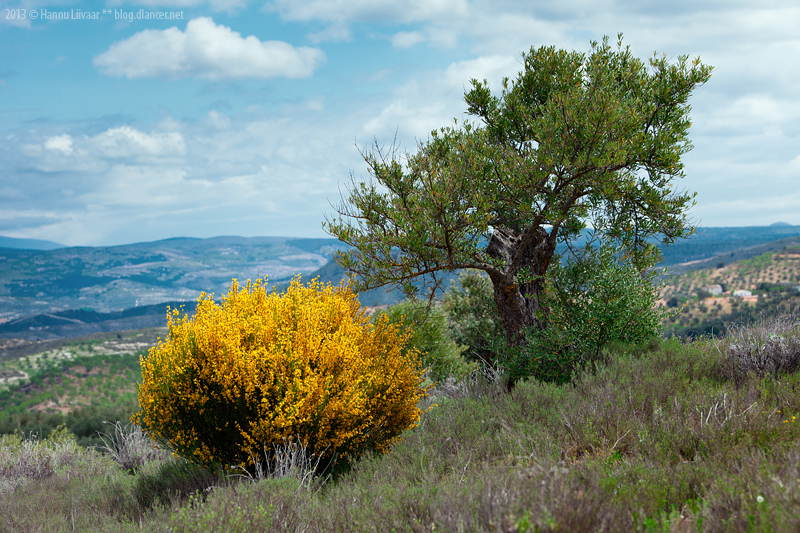
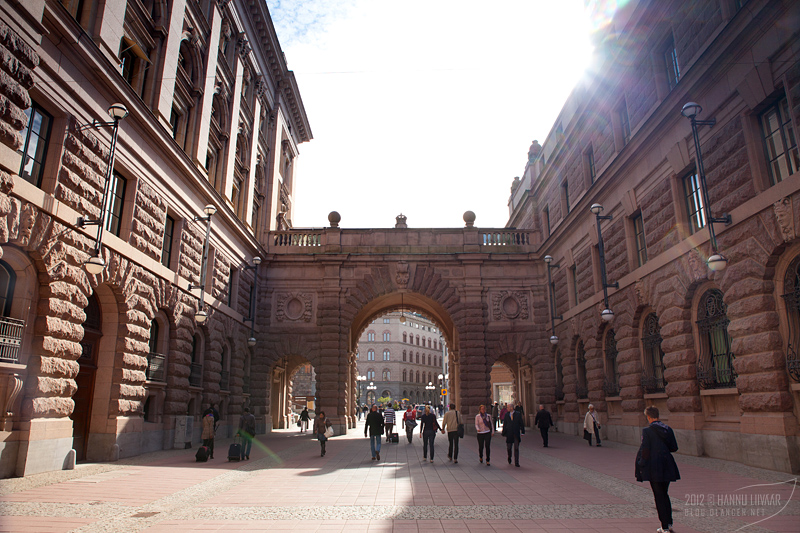
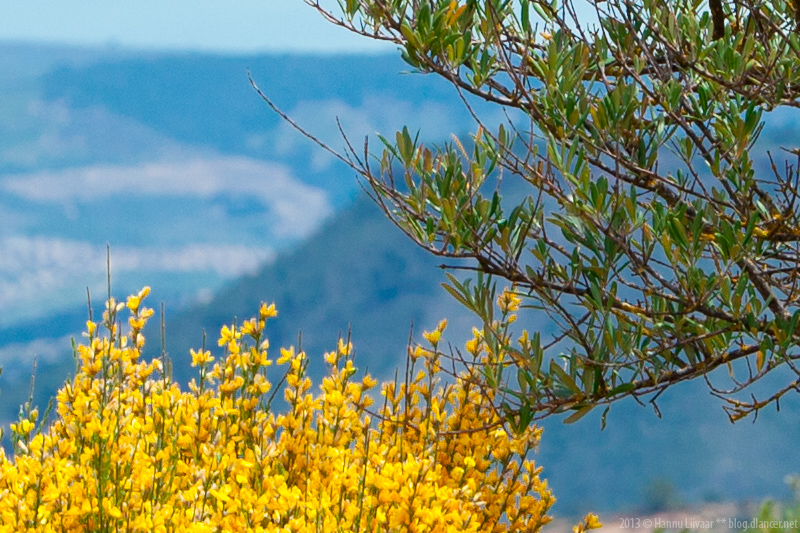
ISO200, 109mm, 1/500, F/7.1, VC off (100% details below)
The unit is familiar to anyone coming from its predecessor Tamron 70-200mm F/2.8 LD IF - changes for the new lens include USM-type focusing (USD - Ultra Silent Drive, image stabilization (VC - vibration control) and weather sealing (you can see a black rubber line when you mount the lens to your camera body) - so a nice update indeed. You can find two switches at the left side of the lens: VC (on/off), AF (on/off).
Five years ago when Tamron's original 70-200mm F/2.8 was released, it was titled with several awards because of its excellent optical quality; users were not that happy with (relatively) slow auto focus and plastic design though.
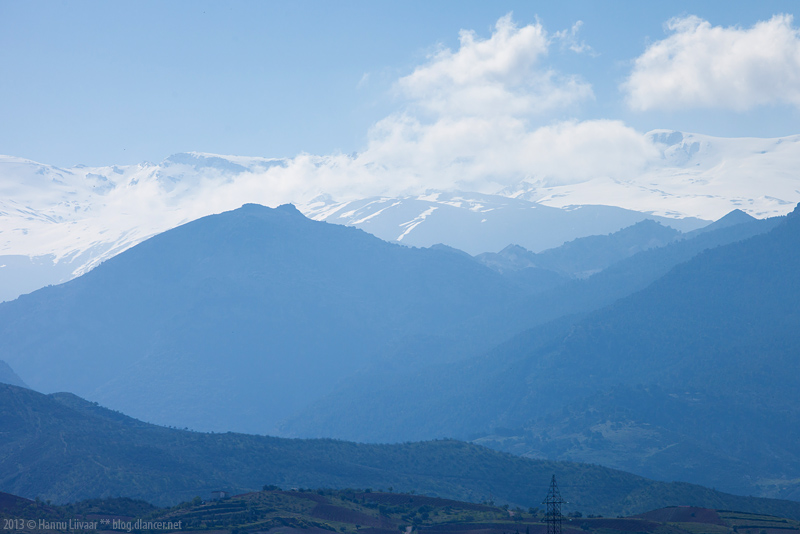
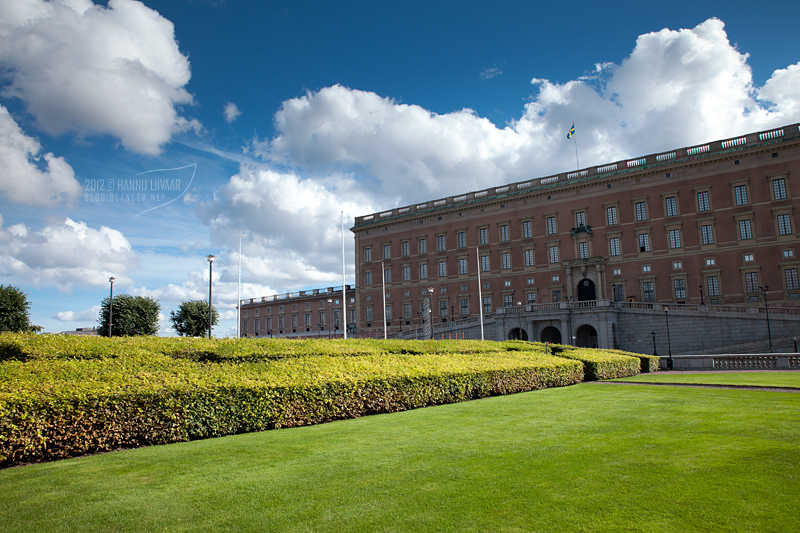
(200mm, ISO200, 1/1600, F/8, VC off)
The new model is also a plastic one, but looks and feels really well built. The all-metal tripod bracket (included) is solid and heavy. Lens hood (77mm mount) is also included - which can be useful if you don't like the halos when shooting directly against the sun; the hood also protects the external glass of the lens quite well.
The USD auto focus works really well - it is silent, fast, accurate. It is able to focus from its closest (approx 1.3m) to infinity in about 0,7s (no accurate measurements were made). Some of the users are complaining the Nikon/Canon lens are faster, but having used the lens side by side (Canon 70-200 USM), it is a matter of milliseconds - of course press/sports photographers would prefer the very best.
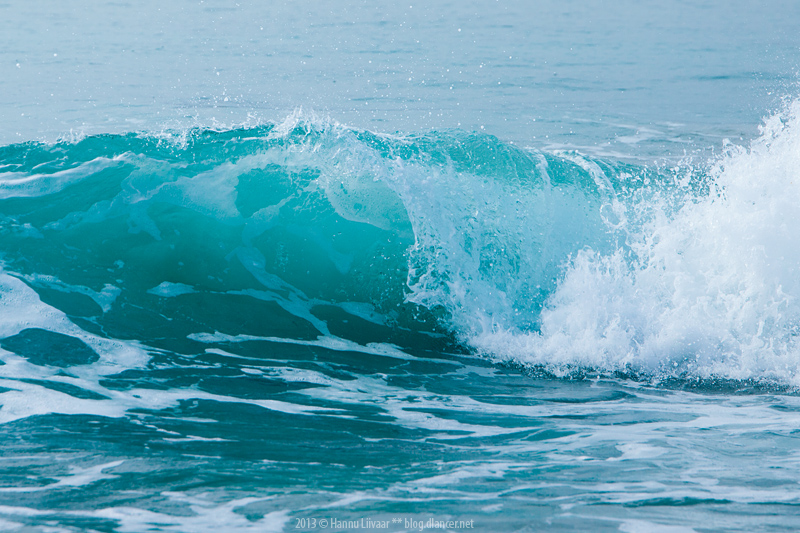
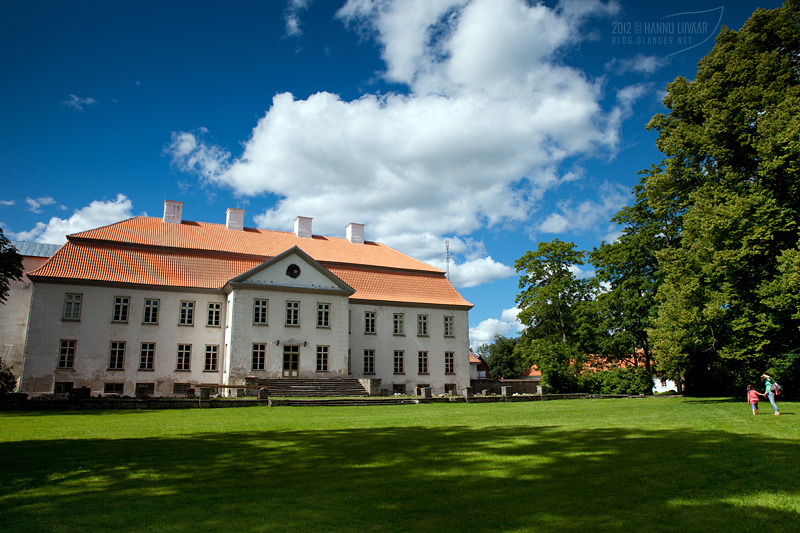
(200mm, ISO200, 1/800, F/5.6, VC off)
The optics delivers sharp, clear, coloful results - exactly what you'd expect from this grade of lens. The image is somewhat soft at wide open, it gets really good at F/4, and it is simply superb from F/5.6 to F/11. You ca step down the aperture up to F/22, but as per physical laws, the diffraction at such a small aperture is clearly visible.
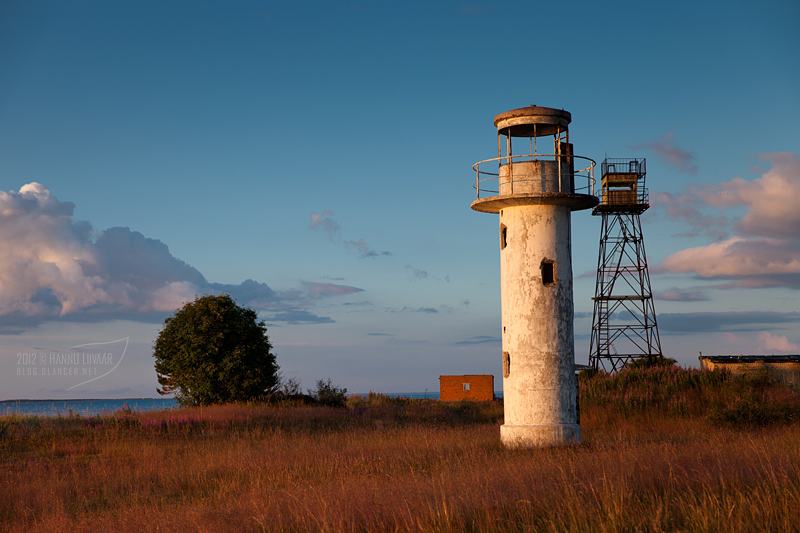
200mm, ISO200, 1/500, F/5, VC off (see the actual pixels below)
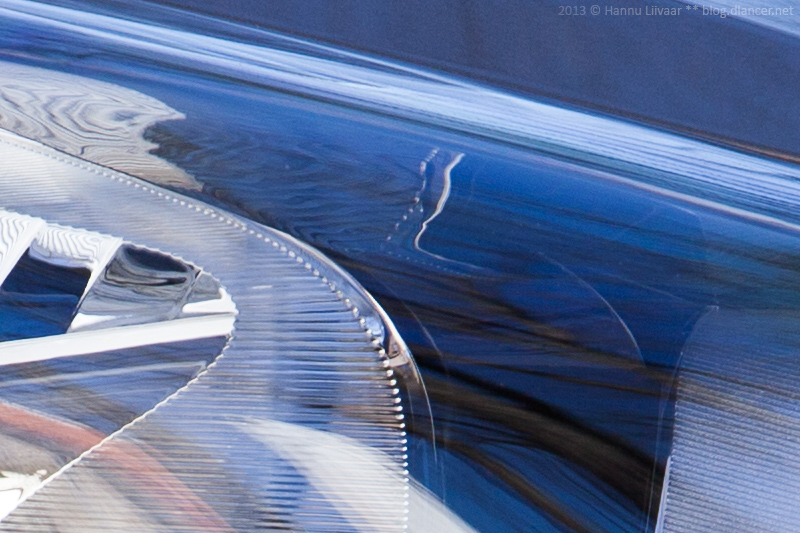
Macro performance. The lens is able to focus as close as 1.3 meters, so the magnification ratio is around 1:8. It is not designed for to shoot macro, you should consider a dedicated 1:1 unit for this type of work.
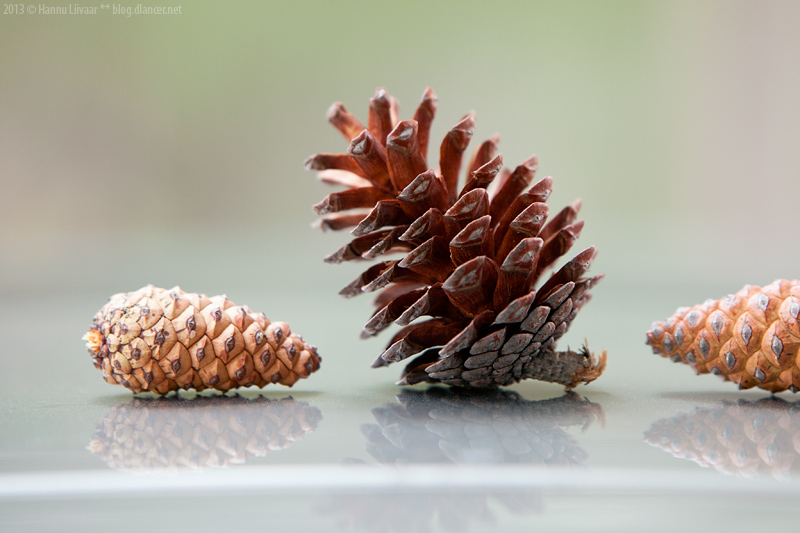
(200mm, ISO200, 1/125, F/2.8, VC off)
The image stabilization works really well. Hard to describe it with words, you should try it by yourself! But all I can say it will save many of your photos at slower shutter speeds like 1/30, 1/15, 1/10, even at 1/6. Think about it - as you know the "optimal" shutter speed (so the speed which should give you more or less sharp photos) is often considered to be 1/mm, so 1/80s if you have 80mm lens, and 1/200s if you have 200mm lens.
Of course it all depends on several other factors - how steady are your hands, how good are the other conditions of taking the photo. See the next hand held shot of the rising moon - taken at dark night, with the following parameters: 200mm, ISO800, 1/15, F/4.5, VC on. Imagine how many frames it might have taken to get this photo sharp, hand held, without vibration control.
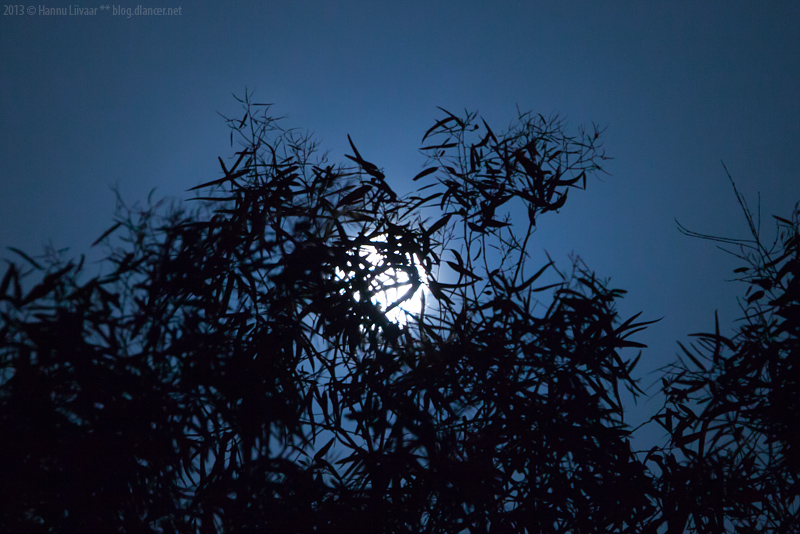
Regarding to the bokeh - as always, it first really depends on the light conditions. If the out of focus are is uncontrasty and not that detailed, the bokeh always stays "smooth and buttery". The more contrast and detail there, the more the chances for the bokeh to fail.
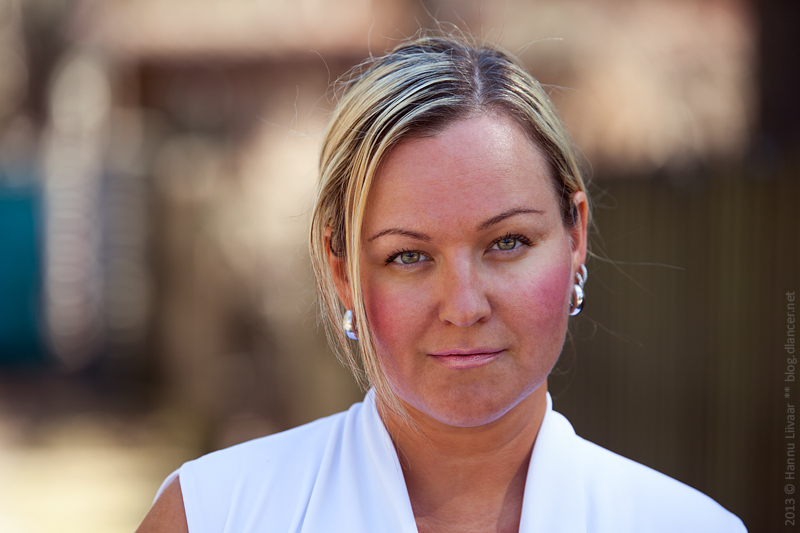
(200mm, ISO200, 1/250, F/3.5, VC off)
Don't forget you always need to consider the focus distance and aperture when hunting a good bokeh - in general, the wider the aperture and the closer the subject, the better the bokeh. Compared with the Canon 70-200USM, I cannot prefer one bokeh to another, so again, Tamron is making really good job here.

(200mm, ISO200, 1/60, F/5, VC on)
Vignetting at wide apertures is a problem when your scene is not that full of contrast. It is the same with several similar lenses. Some trendy photographers like to use the default vignetting for portrait photos to accent the subject and hide the background. For the wide and far landscape shots, you should consider stepping down the lens to F/8-F16. See the following image for vignetting example (200mm, ISO200, F/4, 1/400; no VC; had to tweak the contrast a bit; no correction for the vignetting was done).
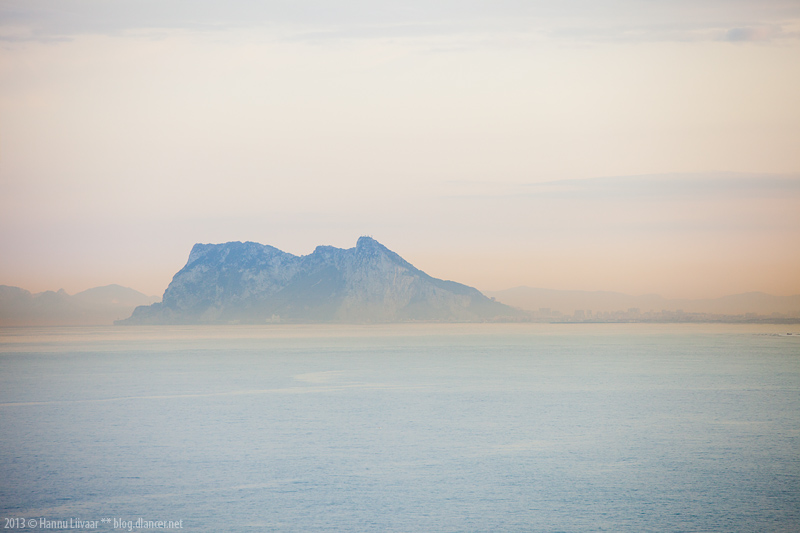
I was really stuck this time preparing to write a long and detailed product review. Within a couple of thousand of shots I've made with the lens, I just mounted it on, raised the camera and shot. Not a single complaint, not a single detail I could point out as a serious (design) issue. Everything just worked flawlessly: smooth zoom ring, fast-silent focus, extremely effective image stabilization.
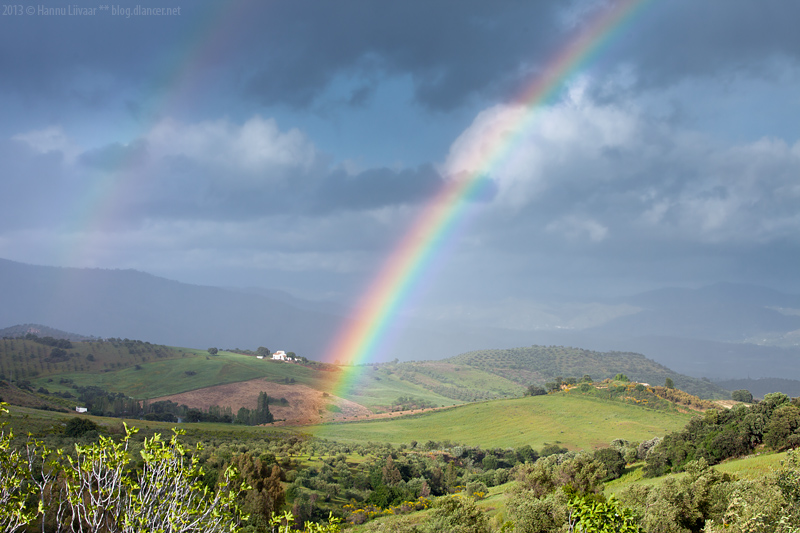
(70mm, ISO200, 1/400, F/8, VC off)
The plastic body is not a problem for me - it makes your backpack lighter, and it really matters if you have several lens and all metal body already with you, not to mention tripod and every kind of accessories. I was not able to test the lens against direct sunlight this time, but I'm sure there are several reviews available about how the lens performs under named conditions.
Bottom line - the new Tamron 70-200mm F/2.8 VC USD is an impressive piece of lens. You should definitely consider this when going out hunting for new 70-200/2.8 for your needs. It does not give you metal housing, it does not give you the fastest auto focus on earth, it does not give you focus limiter(s) and sophisticated VC (IS) modes; but it will give you super sharp glass, super effective image stabilization and it will also save you still have some money in your pockets once the purchase is done. As always, never only rely on reviews only - go to the local dealer and try the lens by yourself how it performs in your hands.
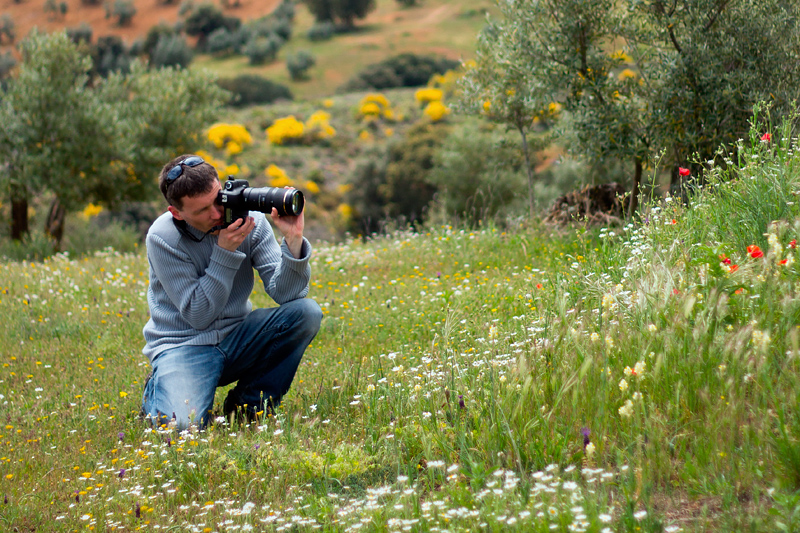
(Photos taken with Canon 5D Mark II; IMG_4788 taken with Canon 60D, Canon 50mm/1.8, image copyright Rain Pikner)
Tuesday, May 28, 2013
Monday, May 13, 2013
Sunday, March 03, 2013
Blurb book review
A couple of years ago I put together a small book using the on-demand print servise blurb.com - it was a small book, the service was quite young and there was a lot I was dreaming about regarding to better quality - print, paper, bind quality.
I loved the idea to have a book as a "solid piece of something with several photos inside"instead of just ordering bunch of separate photos so much, that time by time I created new, different books, with different options (paper quality, size of book, cover) to see if/how the service quality had improved and its options widened.
Today, if you are looking at blurb.com, the assortment is so good, that if you order a book with some of the top of the line features, it can easily outshine a "regular" (not on-demand-printed) book at the bookstore next door. This means top quality paper, linen canvas cover and ultimate build quality together with the best printers available these days for the highest print quality.
So here's a little review about a photo book I've recently ordered from blurb, with the following options:
- book size 25x20cm (standard landscape)
- hard cover with dust jacket (image wrap also available)
- paper: ProLine Pearl, 190g/m2 (best option available as of March 2013)
- light grey ProLine end sheets (maybe it is too much of a "bells & whistles", but I wanted to know how it actually look)
- 238 pages (with given size and paper, 240 pages was the maximum as of Jan. 2013).
The price for a combination like this exceeds one hundred and twenty dollars, plus shipping depending on how fast you'd like your book to be delivered. I picked the "standard international shipping" from the list, and the delivery time was quite reasonable, around eight or nine days, with the package delivered to your door.
So with all that hard work - from taking photos, selecting them, processing raws at digital darkroom, to downloading the blurb software and carefully putting together the book - was it worth the effort?
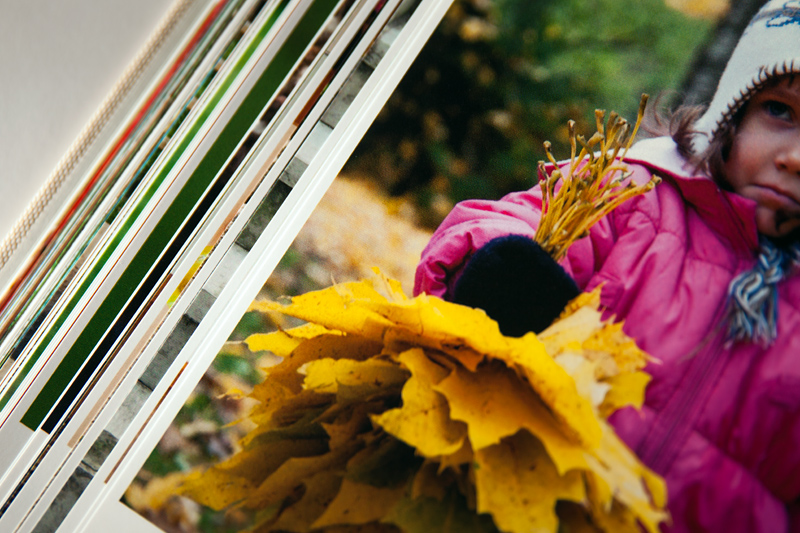
A big YES! From the very first moment the package was opened and I was smelling the scent of a just-printed new book, to a very pleasing quality of the whole product, I can only say good words. When I compare it to the first (already quite worn) book I order from them, the difference is just so huge. So the quality has improved a lot over these years, let alone the rich assortment of how you can customize each part of your book.
I think not everybody is printing photos these days - referring one of my friends from a meeting SIX years ago: "who is printing photos these days? Are out of your mind?" - however, I think a solid piece "real thing" you can hold at your hands, may sometimes feel more safe than all the bits and bytes on your hard drive or file cloud; so if you have selection of photos available that would go together as a beautiful collection, why not to take some time and put together a nice book out of it?
With all that said, I have no hesitation to recommend blurb's on-demand print service for anyone looking for put together a photo book: the quality is high, software is user-friendly, prices are reasonable, as well as the delivery time.
Friday, December 14, 2012
Blue-White Season
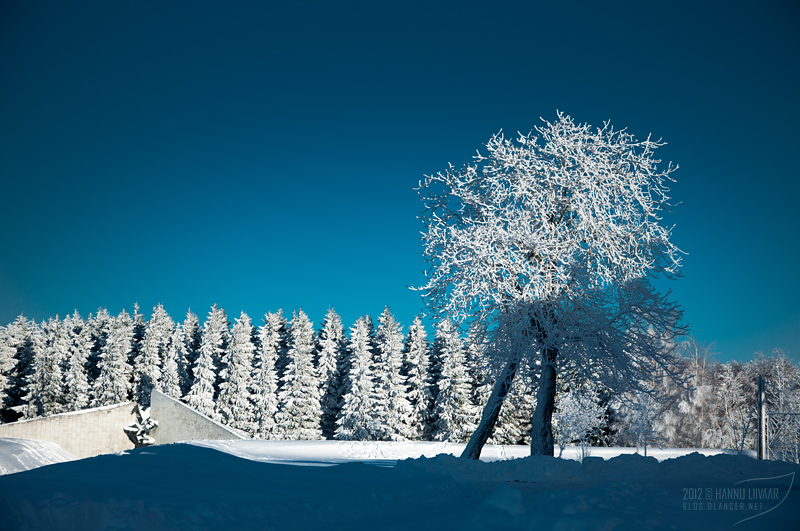
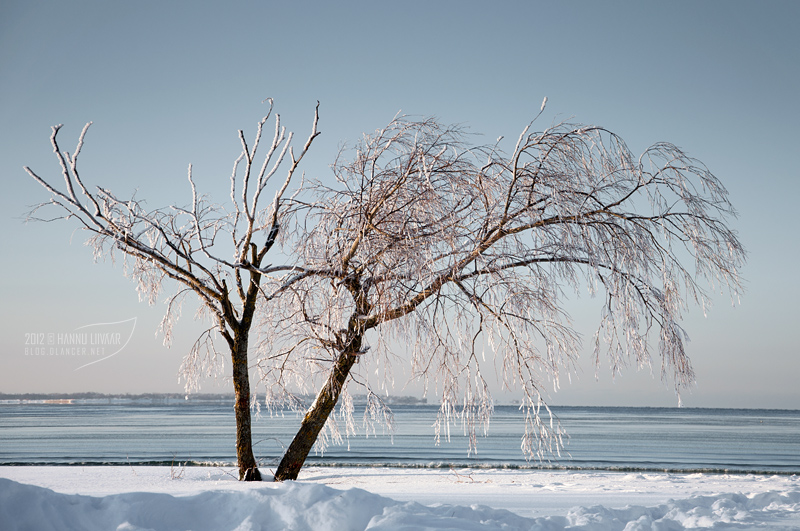
Blue White season is finally here :-) Let's hope for the best ice/snow/cold for the best winter photo season :-)
Sunday, November 25, 2012
Artist appreciation - Jonas De Ro
Well worth taking some time to browse through this significant fantasy art - Gallery of Jonas De Ro at DeviantArt
Thursday, November 22, 2012
Tuesday, November 20, 2012
Coffee time, 7 minutes and 41 seconds.
Folks from the NoFilmSchool are testing four 24-70/2.8 "normal zoom" lens units - through a prism of (a small bit of) black humor, the footage is just simply hilarious. Check it out here.
Monday, November 19, 2012
Tamron 24-70 2.8 sample photos
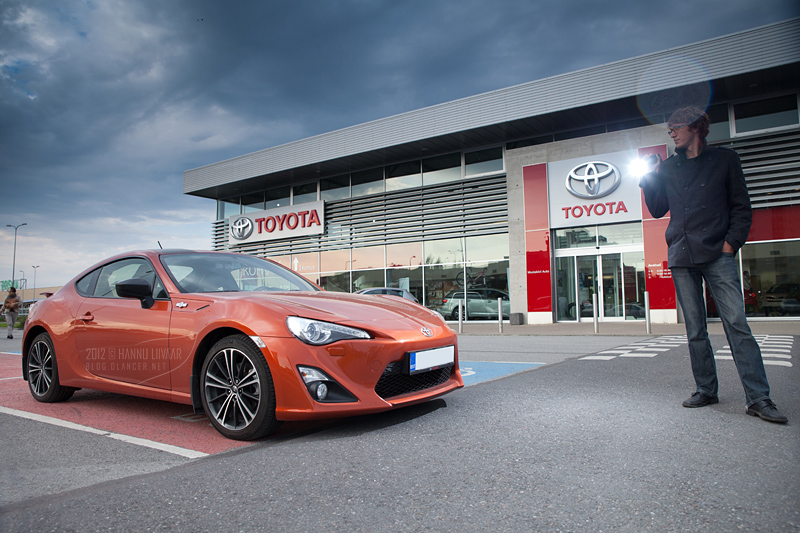
24mm, F/4, 1/200s
--
For a couple of months I have been able to use a second copy of Tamron 24-70/2.8 and while I was extremely happy with the first one (used at July), the second one turned to be even slightly better - I'm sure this can of course be psychological effect, since I never had a chance to compare these two side by side.
I'm quite delighted with the image quality though - and currently cannot think about any reason why I would like to "upgrade" from such a great lens.
Long story short, here come a couple of sample images. Nice discussion available at the lens ad dpreview web site - click here.
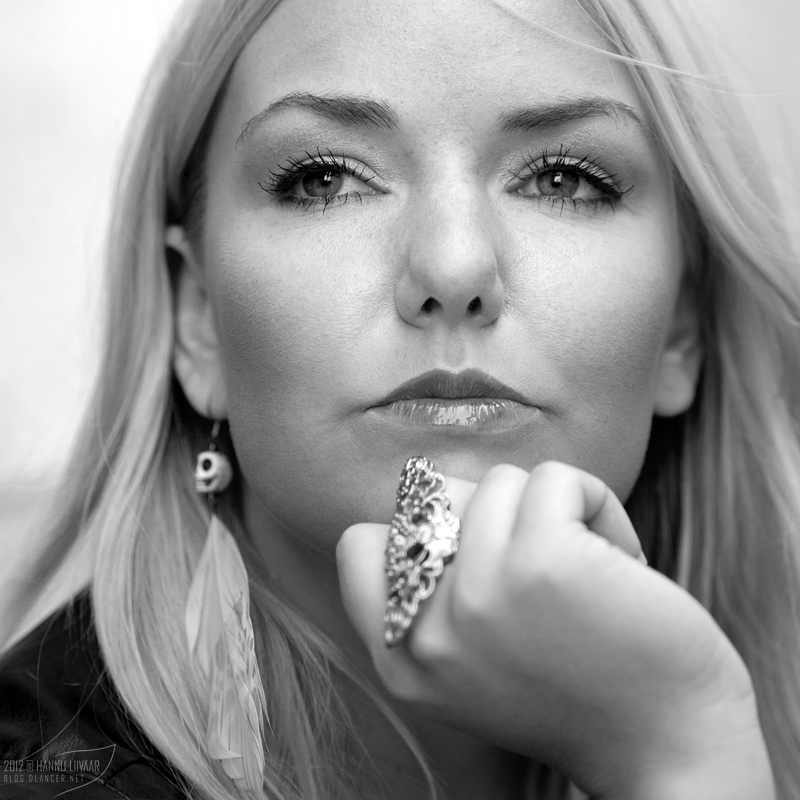
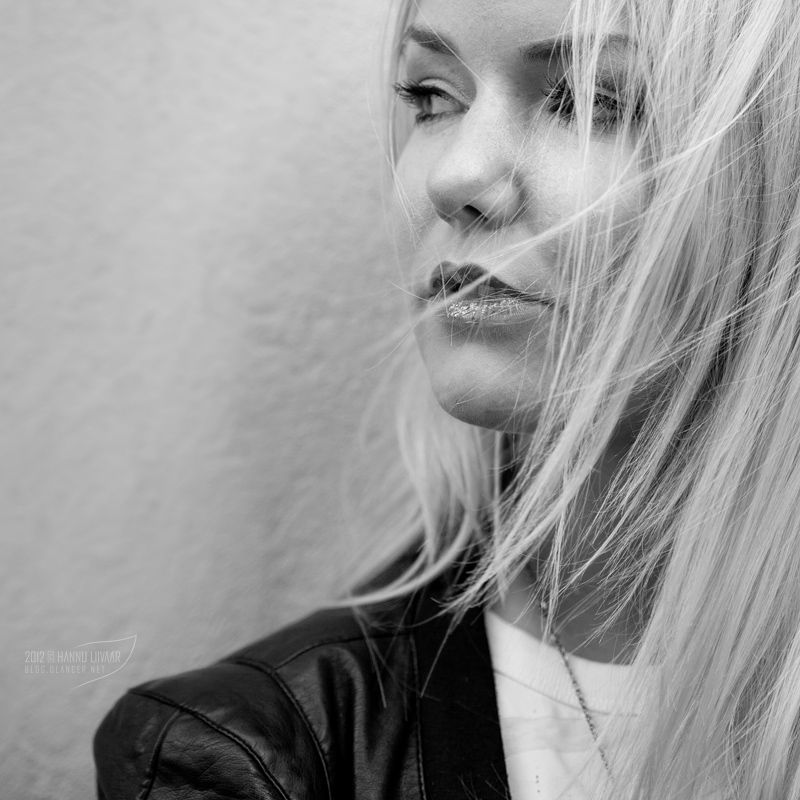
Using the lens for portrait is definitely enjoyable at superb sharpness and smooth bokeh at 70/2.8, so let's start with some portrait images first.
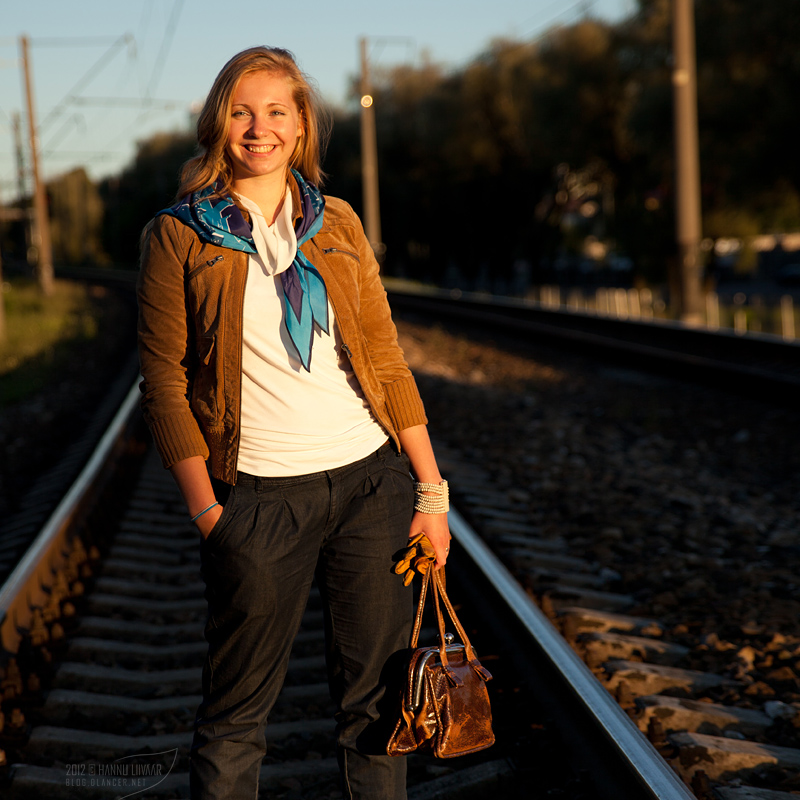
70mm, F/2.8, 1/1000s
70mm, F/3.5, 1/125s (notice the bokeh - a bit busy because of high contrast at bg, but very well handled)
70mm, F/5, 1/250s (bokeh - as the bg is darker and less contrasty, the bokeh is rendered with excellence again)
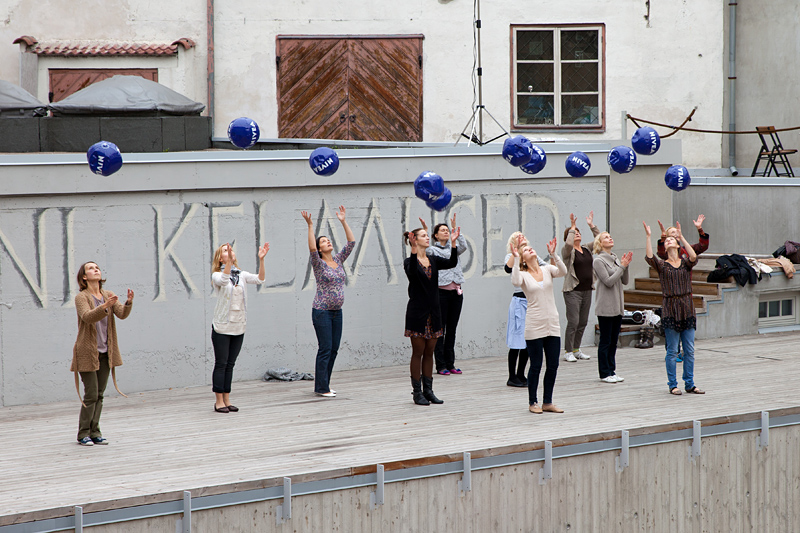
70mm, F/5, 1/125s (focus quite far away - lens was able to change the focus between dancers and far background nicely)
42mm, F/7.1, 1/25s (shot without Vibration Control (VC) - as the lens is heavy, therefore quite stable, never missed the VC at daylight)
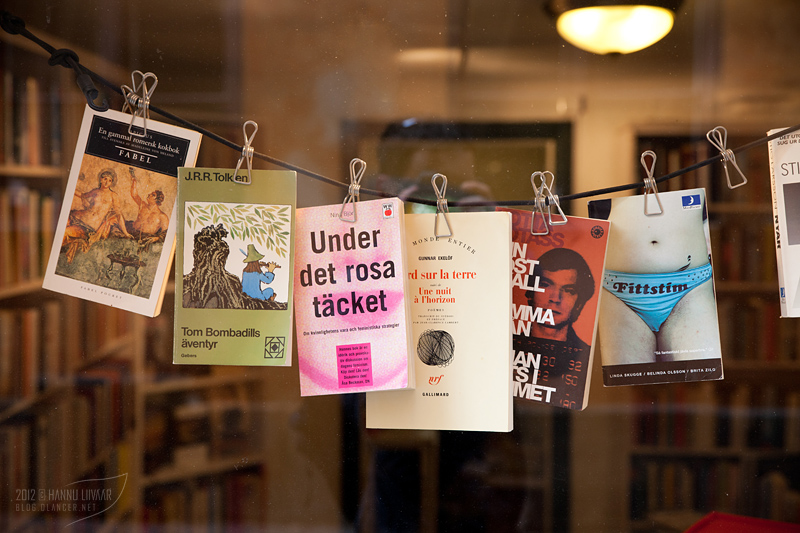
58mm, F/4, 1/100s (another example of non 24 or 70mm shot (so 58mm this time), shot through bookshop glass)
24mm, F/7.1, 1/200s (notice the lens flares at the image at lower left and center right)
24mm, F/9, 1/320 (the "sweet spot" of the lens at widest angle seems to be (**surprise, surprise :) somewhere between F/7.1-11)
24mm, F/8, 1/320 (the lens rendered the roof stones so sharp that it is almost hurts the eyes at downsized image (bicubic standard interpolation), without any extra sharpness added).
61mm, F/5, 1/200s (gradual filter was used for the sky)
24mm, F/11, 13.00s (from a tripod, with gradual filter)
70mm, F/7.1, 1/20 (manual focus (closest) - bokeh smooth despite small aperture)
61mm, F/8, 1/400 (manual focus (closest) - again, bg is superb despite small aperture (conditions of the subject and background were literally the same)
70mm, F/6.3, 1/400 (some chromatic aberration at contrasty areas - top and down right corner)

24mm, F/16, 3.20s
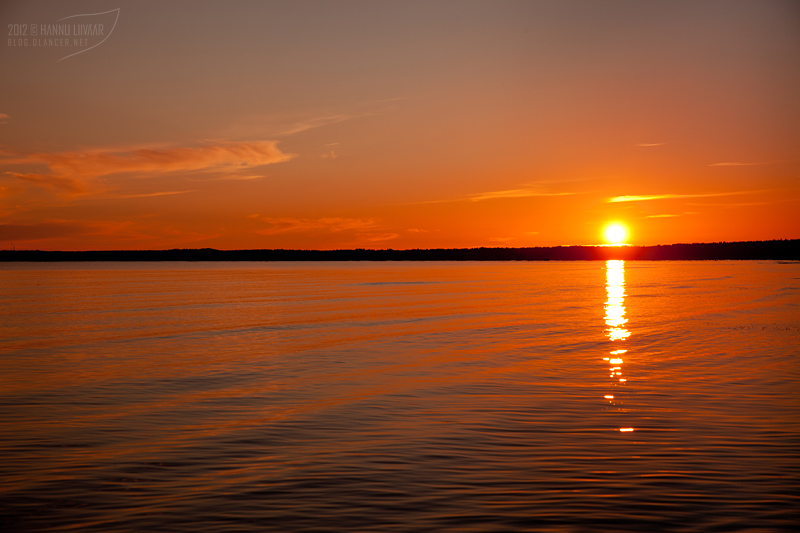
70mm, F/7.1, 1/400s (what could be a better shot to end this long post, than a sunset? ;))
Sunday, November 11, 2012
Subscribe to:
Comments (Atom)